Hey everyone,
I wanted to share a new video draft (linked above), and some updates on what's been new in 3blue1brown.
Puzzle video and messing with new workflows
I spent some time this month updating manim (the animation software behind the channel) to try out some new workflows. The aim is to incorporate more interactivity into the video creation process in two senses. 1) Use GUI interactions as an aid to an otherwise code-dominant process, and 2) Give the option to present the lesson with some simple GUI interactions so it feels more in-the-moment.
I've already been doing this a little, e.g. with Newton's fractal video and the Wordle one, but behind the scenes getting that to work involved more finickiness than it should have, so the goal was to make that sort of interactivity a default and less cumbersome to add on.
Historically, the way I've produced videos is to write scripts, then go through them sentence by sentence and add on the animations. What I'm trying instead is to put together all the visuals first, as if preparing slides for a talk, then to go through them speaking more off the cuff. To test it out, and to take a break from the quintic project, I picked off a puzzle video from the long list of potential topics. Puzzle videos tend to be much easier to outline and write, it ended up taking a little over a week to produce the draft above.
The plan is to make more puzzle videos like this one throughout the year, interspersed between other projects, and stockpile them all to be released in a sequential batch towards the end of the year. I like the idea of ending each one by laying out the puzzle for the next video and inviting viewers to spend a few days trying it for themselves.
The main project on the plate is still the series about Galois and the unsolvability quintic. This one is very different stylistically, so part of the reason it's taking longer than expected, aside from the sheer scope, is that we've been. It turns out that a history-of-math video is much more time-consuming to research and fact check than a math video; who knew!
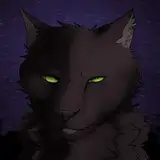
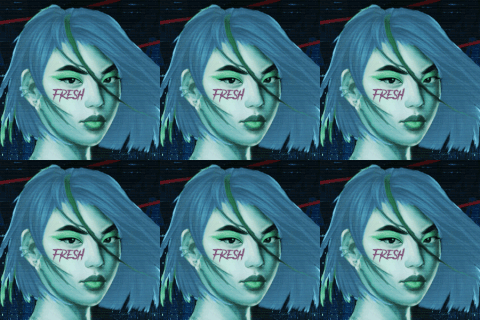
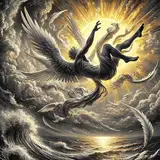
The main stylistic difference is how the visuals for the history parts of this series will lean more on drawn art, thanks to the contribution of Kurt, the new hire I mentioned earlier this year. For those of you who are curious, I've attached a few teasers for the kind of artwork involved, at various stages, from wireframed to finished.
I've also been doing a few interviews with math historians that I plan to incorporate into the final version. If you have any math historians you know who are knowledgeable about Galois, Abel, or the history of algebra through the 19th century and who you think may provide good contributions, do let me know.
Somehow I never updated you on this before, but last month I made a small contribution to a Mark Rober video about a talking piano, explaining the basic idea of Fourier transform.
I actually spent a few weeks messing around with alternate algorithms to synthesize speech on a piano like this, using a not-quite-Fourier approach which was more optimized to the particular timbre of piano keys. The aim was to make a video on the math behind it, which I did in fact begin to produce. I may still return to that video, but I ended up putting it on the shelf when it just wasn't clear what the goal of it was as a lesson. It's fun enough to document a coding project, I suppose, but I'd like there to be a more substantive takeaway.
Another somewhat out of the blue thing which came up this month was a small animation I contributed to a Netflix documentary. Unfortunately, I can't share too many details on this until it's out, but in the meantime, I'll just tease that it also involves Fourier transforms (what doesn't?), together with monsters...it's both bizarre and very delightful, and I'm excited to show you when I can.
---
That's it for now. I know new uploads have been slow-coming recently, but a lot has been going on near the top of the video pipeline, so it won't be too long before you start seeing some of the lessons.
Thank you, as always, for your continued support,
Grant
3blue1brown
2022-05-13 23:21:14 +0000 UTC